



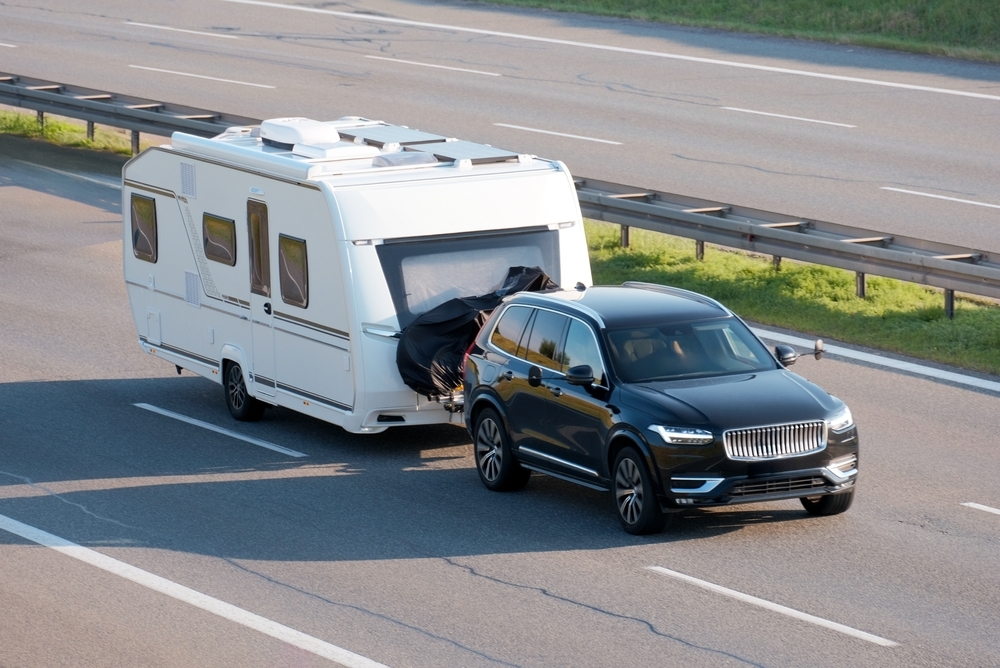
There are a few important elements to consider when it comes to towing a vehicle, and one that cannot be ignored is your differential setup. How can you choose the right differential setup for a given tow job?
At Tip Top Transmissions, we offer the best expert differential services in Salt Lake City, ensuring your vehicles are prepared for any kind of towing need you may have. Here are some basic towing requirements to be aware of, plus a differential setup guide that includes the different types of differentials, gear ratio selection, and some important installation and maintenance themes to keep in mind.
Understanding Your Towing Requirements
Before we get into our differential setup guide, here are some general areas you will need to have an understanding of for towing:
- Vehicle weight: Knowing the weight of your vehicle and its maximum towing capacity is essential for safe towing. You can usually find this information in your owner’s manual or by contacting the manufacturer.
- Towing equipment: Make sure you have the right hitch, trailer brakes, and any other necessary equipment to safely tow your desired load.
- Trailer type: Different types of trailers have different weight distributions, which can affect the handling of your vehicle. Be sure to understand the type of trailer you will be towing.
- Terrain: Consider the terrain you will be traveling on. Hilly or mountainous areas can put extra strain on your vehicle and affect its towing capacity.
- Driving techniques: When towing, it is important to adjust your driving techniques. This may include braking sooner and more gradually, accelerating slowly, and being aware of your surroundings.
Types of Differentials
There are several common differential setup types that may be used for towing:
Open Differentials
Open differentials are the most basic type and are found in many vehicles. They allow each wheel to spin independently, which is useful for normal driving conditions. However, when towing heavy loads, this type of differential can cause one wheel to lose traction and spin freely while the other does not move at all.
This means that when towing, an open differential may struggle to evenly distribute power between the wheels, causing strain on the transmission and potentially leading to wheel slippage. But as long as the vehicle is used for normal everyday driving, an open differential is a simple and effective solution.
Limited-Slip Differentials
Another common type of differential is the limited-slip differential. This type of differential is designed to provide better traction and handling in various driving conditions.
Limited-slip differentials use a system of clutches or gears to limit the amount of power sent to each wheel, making it easier for both wheels to maintain traction and distribute power evenly. This can be especially helpful in off-road or slippery driving conditions, as well as when towing heavy loads.
However, limited-slip differentials are typically more expensive and require more maintenance than open differentials. They also may not be suitable for all types of vehicles, such as those used primarily for highway driving.
Locking Differentials
For vehicles that require even more traction and power distribution, locking differentials may be the solution. A locking differential, also known as a locker, is a type of differential that can lock the wheels on an axle together, forcing them to turn at the same speed.
This means that both wheels on the locked axle will receive equal amounts of power from the engine, regardless of whether one wheel has better traction than the other. This can be extremely beneficial in off-road situations where one wheel may be completely stuck or lifted off the ground.
Electronic Differential
There are also electronic differential setups available for towing vehicles or high-performance sports cars. These systems use sensors and computers to monitor wheel speed, throttle position, and other factors to constantly adjust the amount of power being sent to each wheel.
The advantage of electronic differentials is their ability to quickly adapt to changing driving conditions, providing better control and handling for the vehicle. However, they are more complex and expensive than traditional mechanical differentials.
Gear Ratio Selection
When it comes to towing, gear ratio selection affects a few important areas as well:
- Torque: The gear ratio determines the amount of torque being delivered to the wheels, which is crucial for towing heavy loads. A lower gear ratio provides more torque and better pulling power.
- Towing capacity: A lower gear ratio also increases the vehicle’s towing capacity. This is because it allows the engine to operate at a lower RPM, reducing strain on the engine and increasing its overall efficiency.
- Fuel efficiency: On the other hand, a higher gear ratio can improve fuel efficiency by allowing the engine to run at lower RPMs while maintaining speed. However, this may not be as beneficial for towing purposes.
It is important to consider both torque and fuel efficiency when selecting a gear ratio for towing. While a lower gear ratio may provide better performance for heavy loads, it may also result in decreased fuel efficiency during regular driving.
Installation and Maintenance Considerations
For any kind of differential setup you use regularly for towing, it is important to ensure proper installation and maintenance. This will not only ensure optimal performance but also prevent potential breakdowns or failures while on the road.
Proper installation includes making sure all components are correctly aligned and torqued to manufacturer specifications. It is recommended to have a professional mechanic install a new differential setup to avoid any mistakes that could compromise its function.
Regular maintenance for your differential includes checking and changing the gear oil at regular intervals, as well as inspecting for any signs of wear or damage. Neglecting proper maintenance can lead to costly repairs or even the complete failure of the differential.
At Tip Top Transmissions, we’re here to offer the best expert differential services in SLC and nearby areas. Contact us for any differential setup needs for towing or other settings!