




For some of the most advanced needs your vehicle may have, including things like boring, grinding, and balancing, the use of a machine shop is often your best approach. What is the machine shop process like, and what should you expect?
At Tip Top Transmissions, we’re proud to offer the best mechanic shop you’ll find around Salt Lake City, offering clients a complete machine shop full of cutting-edge equipment to improve their vehicles. Here’s a general breakdown of how the machine shop process works, preparing you for any upcoming appointment or service need.
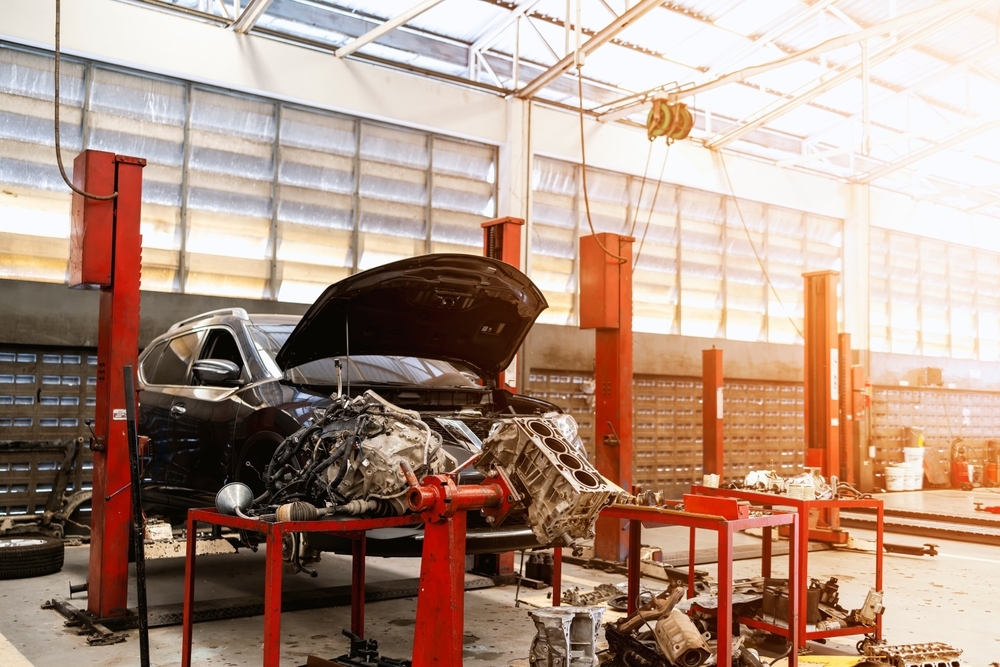
Initial Inspection and Measurement
When you first bring your vehicle into our machine shop, our experienced mechanics will perform a thorough initial inspection to assess the condition of your vehicle’s parts and components. This may include taking measurements, looking for signs of wear and tear or damage, and identifying any potential issues that need to be addressed.
Through this process, we will be able to identify machining needs that may not have been immediately apparent to you. By catching and addressing these issues early on, we can help prevent any future problems or breakdowns.
Machining Operations
There are several different machining tasks that may be part of the machine shop process, depending on your needs:
Boring
The boring process involves enlarging an existing hole or creating a new one with precision and accuracy. This is often done to achieve specific dimensions or tolerances for mating parts.
For instance, if your car’s engine has a damaged cylinder, it may need to be bored out and fitted with a new sleeve to repair the damage. Boring can also be done for more intricate details, such as creating keyways for gears or pulleys.
Grinding
Another common vehicle machining process is grinding. This involves removing small amounts of material from a surface using an abrasive wheel. Grinding is typically used to achieve a smooth and polished finish, or to remove any imperfections or high spots.
In the automotive industry, grinding is often used for precision applications, such as creating perfectly round and smooth bearing surfaces in engine components. It can also be used to create precise dimensions for critical parts that require a tight fit.
Turning
Many vehicles also require periodic maintenance, such as oil changes, tire rotations, and brake inspections. These tasks typically involve turning the vehicle on a large horizontal lathe. Turning is the process of removing material from a rotating workpiece to create a cylindrical shape or change its dimensions.
This process is commonly used in automotive repair and manufacturing to create various parts such as crankshafts, axles, and wheel hubs. Turning can also be used to repair damaged components by removing any surface imperfections or restoring worn-down areas.
Balancing
Another common vehicle maintenance task is balancing. This refers to the process of evenly distributing weight around a rotating object, such as a wheel or tire. When wheels are not properly balanced, it can cause vibrations and uneven wear on tires, resulting in a bumpy ride and decreased fuel efficiency.
Balancing involves using specialized equipment to measure the weight distribution of a wheel or tire and adding small weights to correct any imbalances. This ensures smooth operation and prolongs the lifespan of these components.
Quality Control and Testing
Once your vehicle’s machining needs have been covered, the next major step in the machine shop process is quality control and testing. There are a few key areas we focus on here:
- Tolerances: Each machining process has its own specific tolerances, or the allowable deviation from a specified measurement. For example, when boring an engine cylinder, we must ensure it is not too large or too small for the piston to operate properly.
- Inspections: Our team uses a variety of tools such as calipers, micrometers, and gauges to carefully measure and inspect each component to ensure it meets the required specifications.
- Testing: Depending on the type of vehicle and its components, we may also perform various tests to ensure proper function and durability. This can include pressure testing for engine blocks or test runs for transmissions.
Reassembly and Finishing
Finally, the last major step in the machine shop process for your vehicle involves reassembling and finishing the job. Cleaning will often be a major part of this process, as parts that have been machined will need to be thoroughly cleaned before being reassembled. We may also apply coatings or finishes to certain components for added protection and longevity.
Once all the necessary finishing touches have been completed, the vehicle can finally be completely reassembled and prepared for use. This includes reinstalling any removed parts and ensuring everything is properly aligned and functioning correctly.
At Tip Top Transmissions, we’re proud to serve as the top mechanic shop in Salt Lake City, offering numerous machining and related services. Contact us today to learn more about our machine shop process, or to schedule service!